中文简体
中文简体 English
 Français
 Deutsch
 Italiano

How Is Silk Made from Silkworms? The Complete Process from Cocoon to Fabric
Every silk garment starts as a liquid protein secreted by a silkworm, but the distance between a cocoon and a finished fabric is longer and more controlled than most apparel buyers realize. The quality of silk is fixed early: cocoon sorting, reeling and degumming decide whether the fabric has even luster, clean texture and predictable strength. For fashion brands and garment manufacturers, knowing how silk is made from silkworms is not just useful background; it is the basis for realistic specifications, reliable supplier comparisons and fewer quality claims.
Core conclusion: one mulberry silkworm cocoon produces a continuous filament of 300 to 900 meters. Roughly 4,000 to 5,000 cocoons are needed for 1 kilogram of raw silk, and the fiber loses another 20 to 30 percent of its weight during degumming. In short, the cost and quality of silk fabric are decided by how carefully each early stage is managed.
Suppliers that coordinate these stages closely, as Suzhou Wangu Silk does across its own development, weaving and dyeing operations, tend to deliver more consistent fabrics, because process deviations are caught before they reach the loom.
The Silkworm Lifecycle: Four Stages That Shape Fiber Quality
Mulberry silk used in apparel comes overwhelmingly from the domesticated silkworm Bombyx mori. Its lifecycle lasts about 45 to 60 days, and every stage has to be timed correctly to obtain the longest, cleanest filament.
Stage 1: Egg
Silkworm eggs incubate for 10 to 14 days in clean trays under controlled temperature and humidity. Synchronized hatching simplifies feeding and ensures uniform larvae at harvest.
Stage 2: Larva
For 25 to 35 days, the larva eats mulberry leaves almost constantly and molts four times. Its body weight grows roughly ten thousand times, and its silk glands gradually fill with liquid fibroin.
Stage 3: Pupa
The mature larva fixes itself to a mountage and spins a cocoon over 3 to 8 days. The filament is extruded from two glands and coated with sericin, a natural gum that hardens in contact with air.
Stage 4: Moth
Without intervention, the pupa matures into a moth and emerges after 10 to 14 days. Commercial producers halt this stage early, because an emerging moth would cut the filament into short unusable pieces.
How Silk Is Made from Silkworms: The Step-by-Step Production Process
Turning cocoons into a sellable silk yarn or fabric combines farming, chemistry and textile engineering. These are the process stages that matter for buyers.
Sericulture and Feeding
Mulberry leaves are the only food for Bombyx mori larvae. Leaf quality directly affects filament length and luster, which is why established sericulture regions control leaf variety, soil and harvest timing.
Harvesting and Sorting
Workers collect cocoons six to eight days after spinning begins and sort them by shape, density, color and surface cleanness. This separates reeling-quality cocoons from pierced, stained and double cocoons, called doupion.
Stifling
Cocoons are heated with hot air or steam to kill the pupa. Timing is critical: too late, and the moth damages the filament; too early, and the cocoon may not be fully hardened.
Reeling
Cocoons are softened in hot water, the loose outer floss is brushed away, and filaments from five to eight cocoons are gathered into one thread. The result is raw silk, strong enough to weave but still coated with sericin.
Throwing and Degumming
Raw silk is twisted into yarn, then boiled in soap-and-soda or enzyme solution to remove sericin. The fabric weight drops 20 to 30 percent while the characteristic luster and soft hand appear.
Dyeing, Weaving and Finishing
Silk is dyed before or after weaving, then woven into plain, satin, twill, crepe or organza constructions. Finishing sets width, controls shrinkage and softness, and is followed by final inspection.
Hidden Metrics: What Real Silk Buyers Should Pay Attention To
Standard silk data sheets mention momme weight and breaking strength, but the load-bearing decisions happen upstream. Reeling speed, soaking temperature and degumming intensity change the fiber surface and the hand of the final fabric. Two fabrics with the same momme can feel completely different if these parameters differ.
Moisture regain of common fibers at 65 percent relative humidity (typical values):
Silk's moisture regain of about 11 percent is one reason it feels cool in summer and warm in winter: the fiber absorbs and releases moisture without feeling clammy. Longer filaments also matter. They allow finer, smoother yarns, while shorter staples from pierced cocoons or reeling waste are spun into spun silk or noil, which have a matte, nubby surface.
Weave Structures and How They Change Fabric Performance
Once silk is reeled and thrown, the weave structure has the largest influence on how a garment looks and moves. These are the five most common silk constructions and the logic fabric developers use when choosing between them.
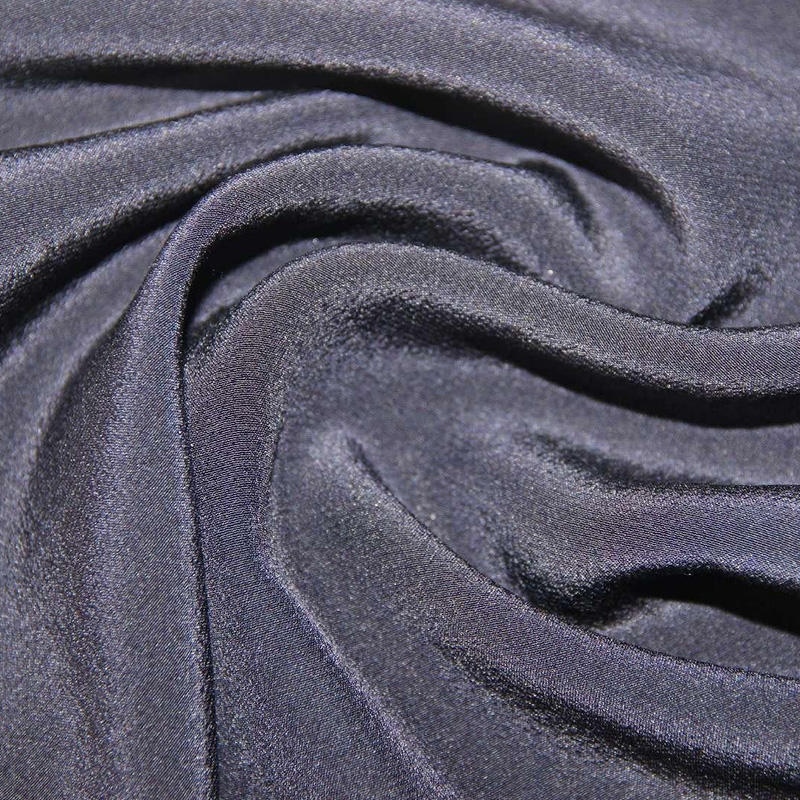
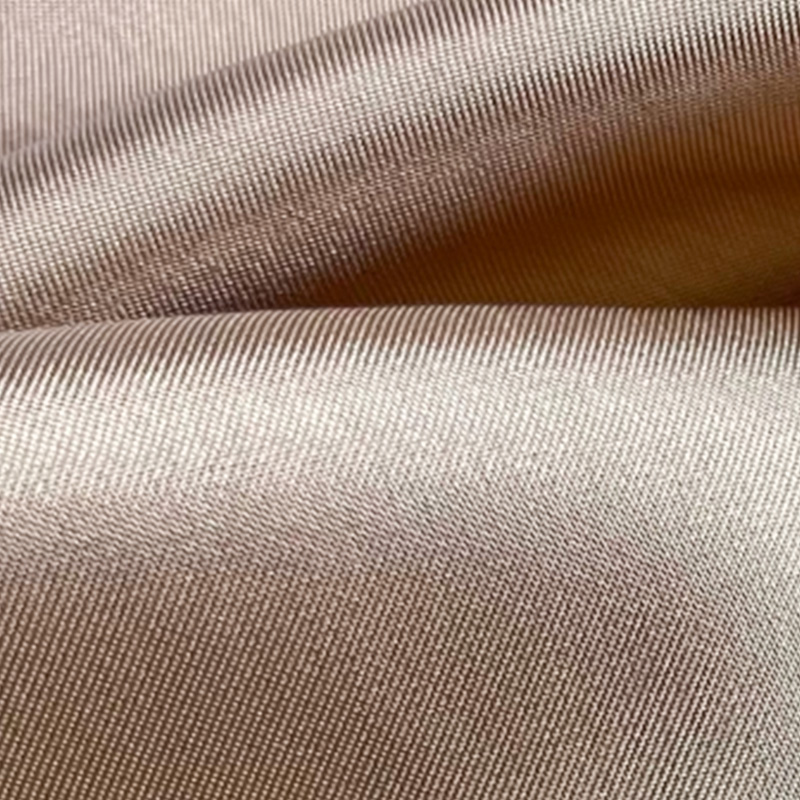
Each construction answers a different design question. For clean surface effects and a light hand, design teams typically start with plain mulberry silk fabric . When the goal is a rich, lustrous drape, satin mulberry silk fabric is the more common reference. Because these two constructions cover a large share of apparel programs, suppliers usually keep tested data on them, including shrinkage and color fastness.
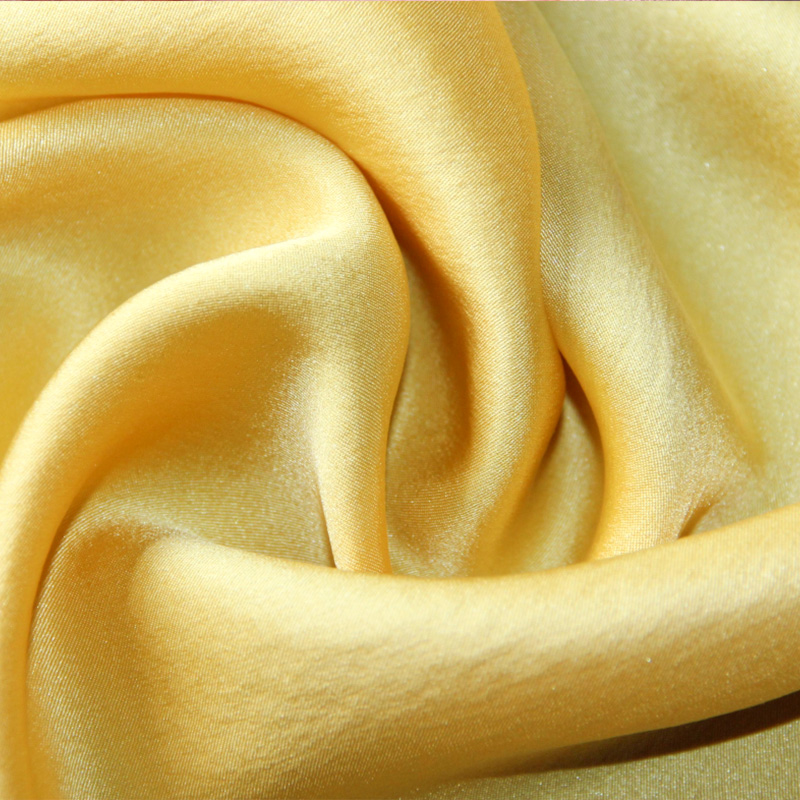 Satin mulberry silk fabric and blend Fabric Manufacturers, Suppliers, Factory - Suzhou Wangu Silk is China Custom Satin mulberry silk fabric and blend Manufacturers, Wholesale Satin mulberry silk fabric blend Supplier... View Product →
 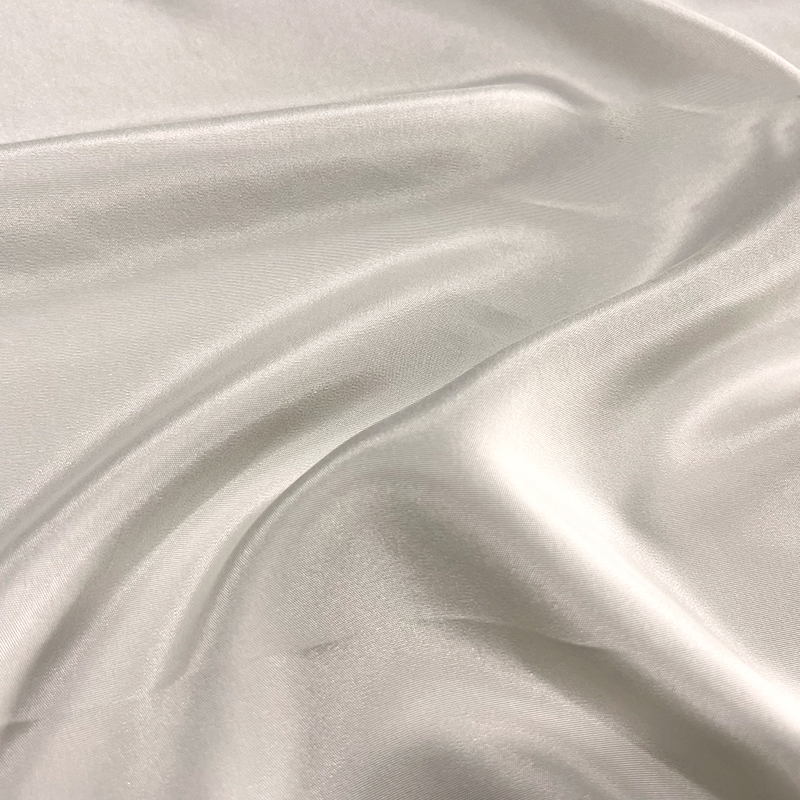 Plain mulberry silk fabric and blend Fabric Manufacturers, Suppliers, Factory - Suzhou Wangu Silk is China Custom Plain mulberry silk fabric and blend Manufacturers, Wholesale Plain mulberry silk fabric blend Supplier... View Product →
 Silk Varieties: Not Every "Silk" Is the Same
Mulberry silk dominates global production, but tussah, eri, muga, doupion and noil each bring a different combination of economics and design character. Matching fiber type to price point and aesthetic is a core part of fabric development.
Approximate share of commercial silk production by fiber type:
Mulberry silk has a fine, round-section filament with white or cream color and the best luster, which is why it remains the mainstream choice for apparel silk. Tussah, produced by wild silkworms of the Antheraea family, has a flatter and coarser filament with a beige-to-copper tone; it is durable but more difficult to dye in bright shades. Eri silk consists of short, cotton-like fibers with a warm matte hand, and its cocoons are usually harvested after the moth emerges, so no pupa is killed in the process. Doupion is formed when two larvae spin a single shared cocoon; its irregular slubs create a textured surface used in soft tailoring and decorative fabrics. Noil and spun silk, made from reeling waste, add nubby matte options at a more accessible cost.
Quality Control, Compliance and Maintenance for Silk Fabrics
Buyers can rely on three checks before placing a production order. First, momme weight, which indicates fabric density and correlates with coverage and durability; typical apparel silk is 12 to 30 momme. Second, shrinkage: untreated silk can lose more than 5 percent in the first wash, so pre-shrunk or properly finished goods are essential. Third, color fastness to washing, light and perspiration, which depends on dye chemistry rather than the fiber itself.
For European and North American programs, documentation is as important as the fabric. Certifications such as GOTS, GRS and Bluesign reduce compliance risk across organic fiber, recycled content and dyeing processes. A supplier that controls the chain from cocoon to finished textile, as Suzhou Wangu Silk does, can trace a production batch back to its cocoon lot and dye batch. When sensitive environmental requirements are present, brands can order GOTS-certified organic fabric without qualifying a separate supplier.
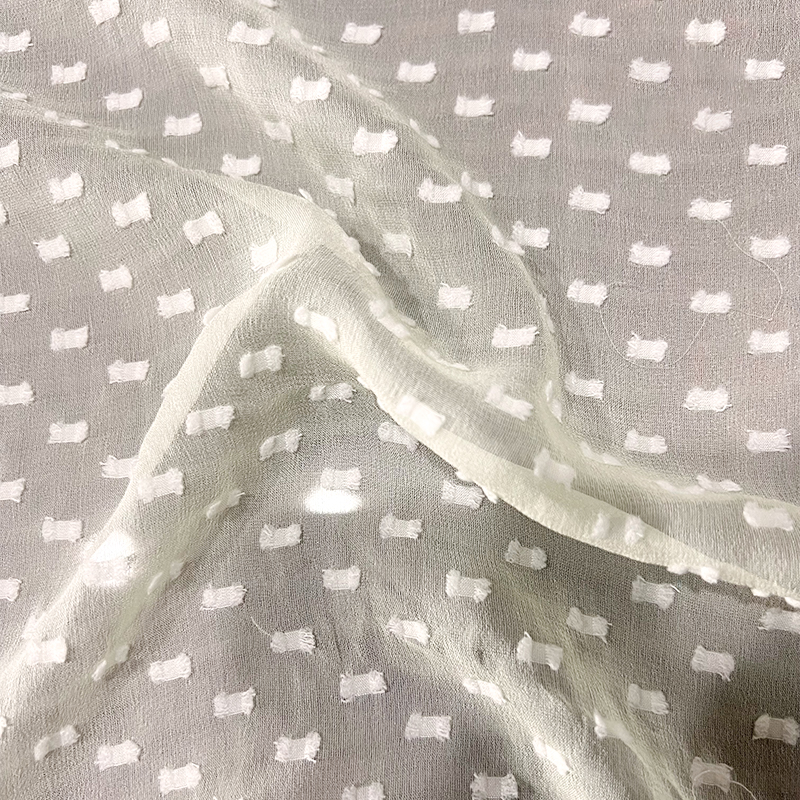
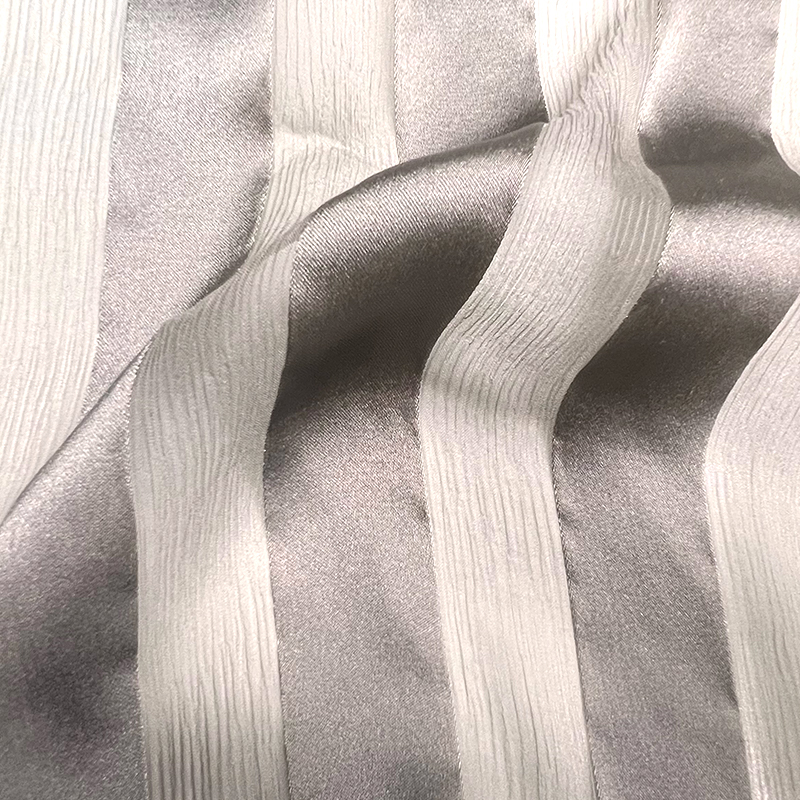 Organic fabric Manufacturers, Suppliers, Factory - Suzhou Wangu Silk Co., Ltd. Suzhou Wangu Silk is China Custom Organic fabric Manufacturers, Wholesale Organic fabric Suppliers and Factory,Organic fabric use the org... View Product →
 Silk's performance in use also depends on care. Most mulberry silk should be hand washed or dry cleaned with neutral pH products, dried away from direct sun and ironed while slightly damp. The care guidelines for mulberry silk fabric cover stains and storage in practical detail.
Understanding how silk is made from silkworms gives buyers a real advantage: they can evaluate suppliers by process control, not only by price, and they can specify fabrics that match the end use. From cocoon to finished fabric, silk remains one of the most process-sensitive materials in apparel.
 পূর্ববর্তী পোস্ট